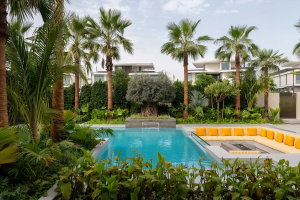
How Weather Impacts Your Choice Of Pool Construction Materials
When planning a new swimming pool, one of the most important factors to consider is the impact of your local climate on the materials you choose. Different weather conditions, from scorching summers to freezing winters, can affect the longevity and performance of your pool.
Working with reliable swimming pool materials suppliers in Dubai ensures you select the best options for your specific environment.
Heat and sun exposure:
Intense sun rays can fade the colors of your pool lining over time. Constant heat also makes some materials expand and crack if they lack flexibility. Light colored tiles stay cooler under your feet during the hottest months. You should pick surfaces that reflect light to keep the water temperature comfortable.
Freezing and thawing cycles:
Ice is a powerful force that can break apart solid concrete or stone. When water gets into tiny gaps and freezes, it pushes the material outward. This creates leaks that are hard to fix once the ice melts away. Using flexible liners or specially treated stones helps stop this damage in cold areas.
Humidity and moisture levels:
Air filled with water causes mold and green growth on many porous surfaces. Wet climates need materials that do not soak up liquid easily. Natural stones like travertine work well because they dry fast and resist slip hazards. Keeping the area clean is much easier when the material stays dry on top.
Wind and airborne debris:
High winds carry sand and salt that act like sandpaper against your pool walls. This grit can scratch soft plastics or dull the shine of smooth tiles. Strong structures need tough finishes to handle the constant hitting of small flying bits. Rougher textures might hide small scratches better than a mirror finish would.
Rain and water chemistry:
Heavy rain changes the balance of the water inside your pool very fast. Acidic rain can eat away at grout or certain types of natural rock. You want finishes that resist chemical changes and do not dissolve over time. Solid glass tiles or high grade quartz often stand up best to changing water levels.
Thermal shock risks:
Fast temperature shifts from a hot day to a cold night stress the structure. Materials need to bend and move without snapping or losing their grip. Quality bonds between the shell and the finish are vital for long term success. Selecting items built for your specific zone ensures the pool lasts for decades.