How Landscape Design Handles Sloped Or Irregular Lots
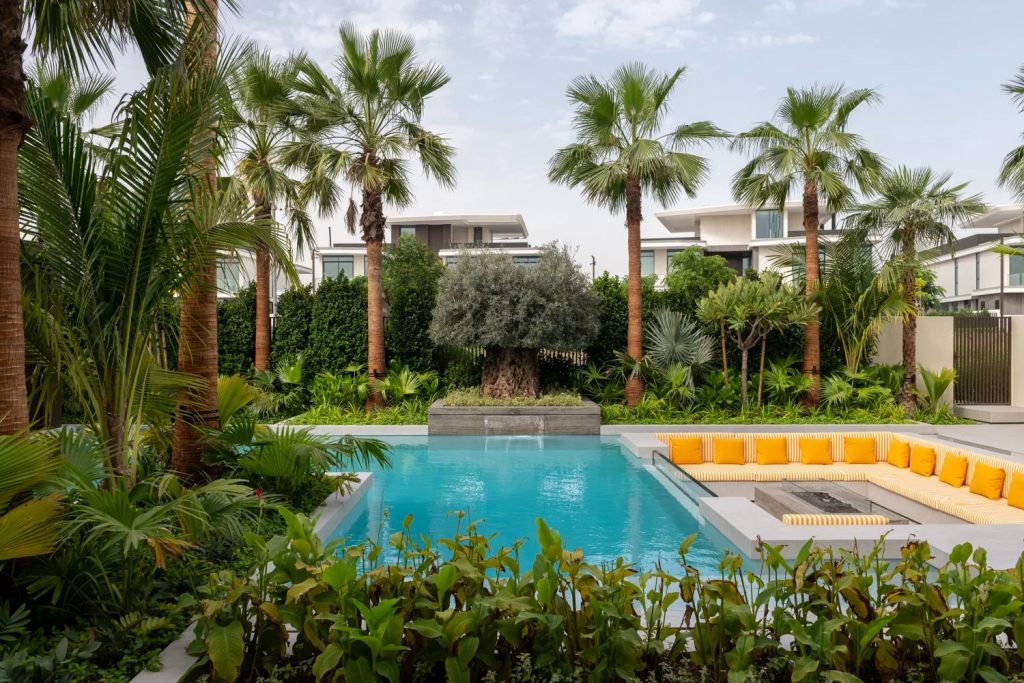
Sloped and irregular plots can add unique character to an outdoor space, but they also need a lot of planning to make every part of the land useful and visually balanced. You can incorporate changes in elevation through terraces, retaining walls, steps, planting zones, and carefully positioned features that follow the natural contours.
Irregular boundaries can also inspire creative layouts rather than limiting possibilities. This way, landscape design Dubai can turn challenging plots into practical, attractive outdoor environments.
Using terraces for better space
Terracing gives steep properties several usable levels. Designers divide the slope into smaller sections with retaining walls, steps, planting areas, or seating zones. Each level serves a clear purpose while reducing the impact of a sharp incline. Terraces also give homeowners space to dine, relax, garden, or recreate. Stone, concrete, timber, and other materials help define each section and suit the home’s style.
Managing water and drainage
Rainwater moves quickly across sloped ground, so drainage becomes a major concern. Designers use channels, drains, grading, gravel beds, and planting zones to guide water toward suitable collection points. Good drainage protects soil, paving, walls, and nearby structures. Plants with strong root systems also help hold soil in place and reduce erosion during heavy rainfall.
Adding safe paths and steps
Steep or uneven ground needs safe access between different levels. Designers place steps where the slope allows comfortable movement and select suitable materials for outdoor conditions. Gentle paths work well on moderate slopes, while stairs suit sharper changes in height. Handrails, lighting, textured surfaces, and sturdy edges add practical support around these areas.
Making irregular shapes useful
Odd property boundaries do not limit creative outdoor ideas. Designers divide unusual corners into specific zones, such as seating areas, gardens, play spaces, storage sections, or small courtyards. Curved borders, layered planting, raised beds, and custom paving help awkward spaces serve useful purposes. Each section receives a clear function instead of leaving difficult corners unused.
Choosing plants for uneven ground
Plant selection also supports stability and visual balance. Deep-rooted plants help hold soil, while low-growing varieties work well along slopes. Trees, shrubs, grasses, and ground covers add texture across different levels. Designers also consider sunlight, soil conditions, rainfall, and maintenance before selecting plants. The result feels connected to the property and supports its practical needs.