Sustainable Materials In Noise Control Louvers
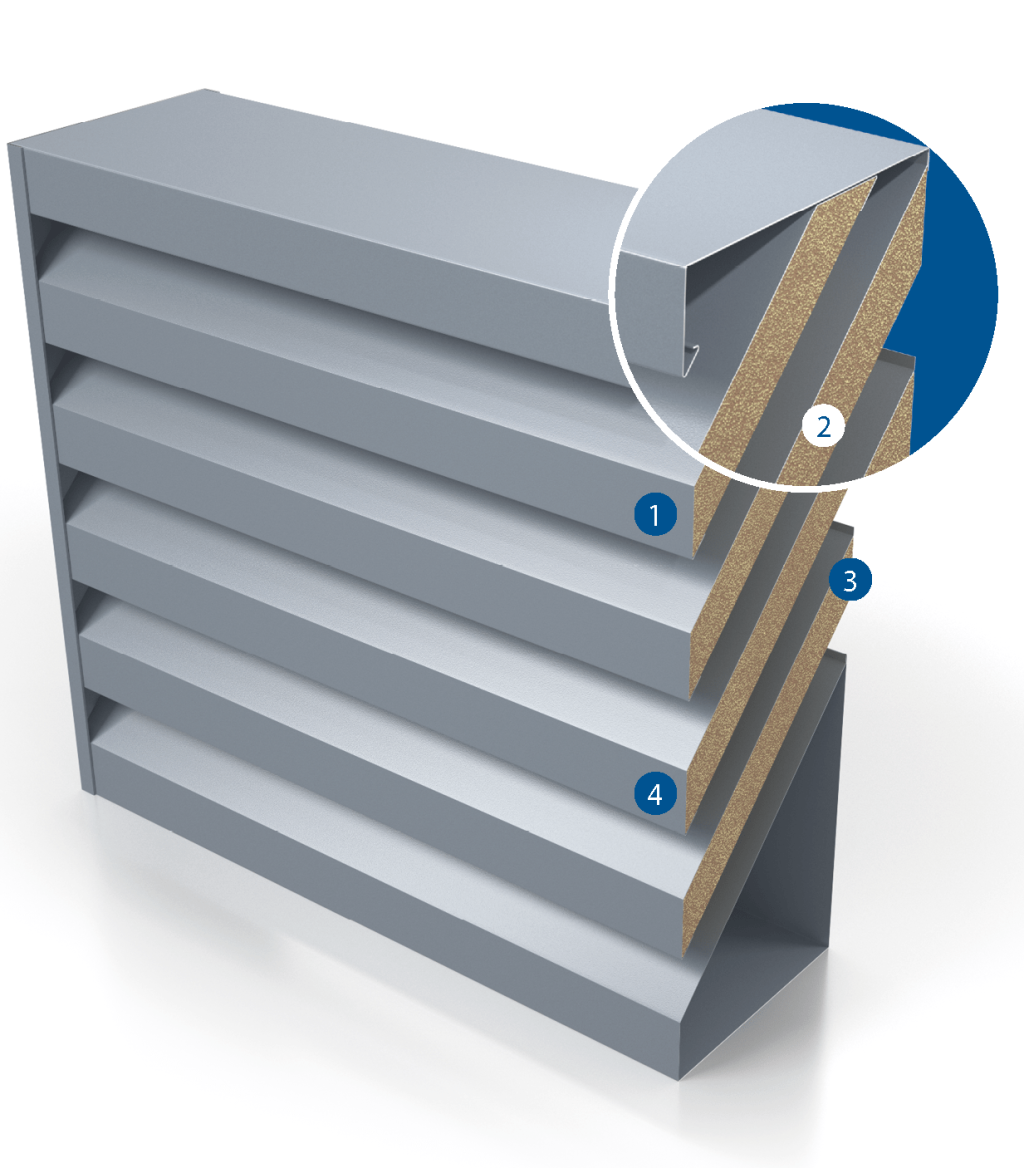
In recent years, there has been a growing demand for sustainable materials in construction due to increasing awareness about environmental issues. As a result, manufacturers have started incorporating sustainable materials into their products, including noise control louvers.
Here’s what you should know about how sustainable materials are sneaking into noise control louvers KSA and making a real difference.
They use recycled metal:
Metal is a big part of any louver. The frame and the blades are often made from aluminum or steel. The good thing about these metals is that they can be recycled over and over again. Many manufacturers now use metal that has been recycled from old products. It takes less energy to make new metal from recycled stuff than to dig it out of the ground. This lowers the pollution created during manufacturing. The louver still works the same way, but it has a lighter footprint on the earth.
They last a very long time:
One of the most sustainable things you can do is build things to last. When a product breaks quickly, it ends up in a landfill. Noise control louvers made from good materials are built to stay outside for decades. They resist rust and corrosion. They handle sun and rain without falling apart. This means they do not need to be replaced often. A long life is good for the building owner and good for the planet.
They can be coated without harm:
Paint and coatings protect metal from the weather. But some paints have chemicals that are bad for the air. Today, there are new options. Many louvers are finished with powder coating. This process does not use liquid paint with harmful solvents. The powder sticks to the metal and is baked on. It creates a hard finish that lasts. And it releases almost no pollution into the air during the process.
They are made closer to home:
Transportation burns fuel. When products are shipped from far away, they create more pollution. Some companies now make their louvers closer to where they will be used. This cuts down on the distance the louvers travel. It means less fuel burned and less smoke in the air. It also supports local workers and businesses. It is a simple way to make the whole process cleaner.